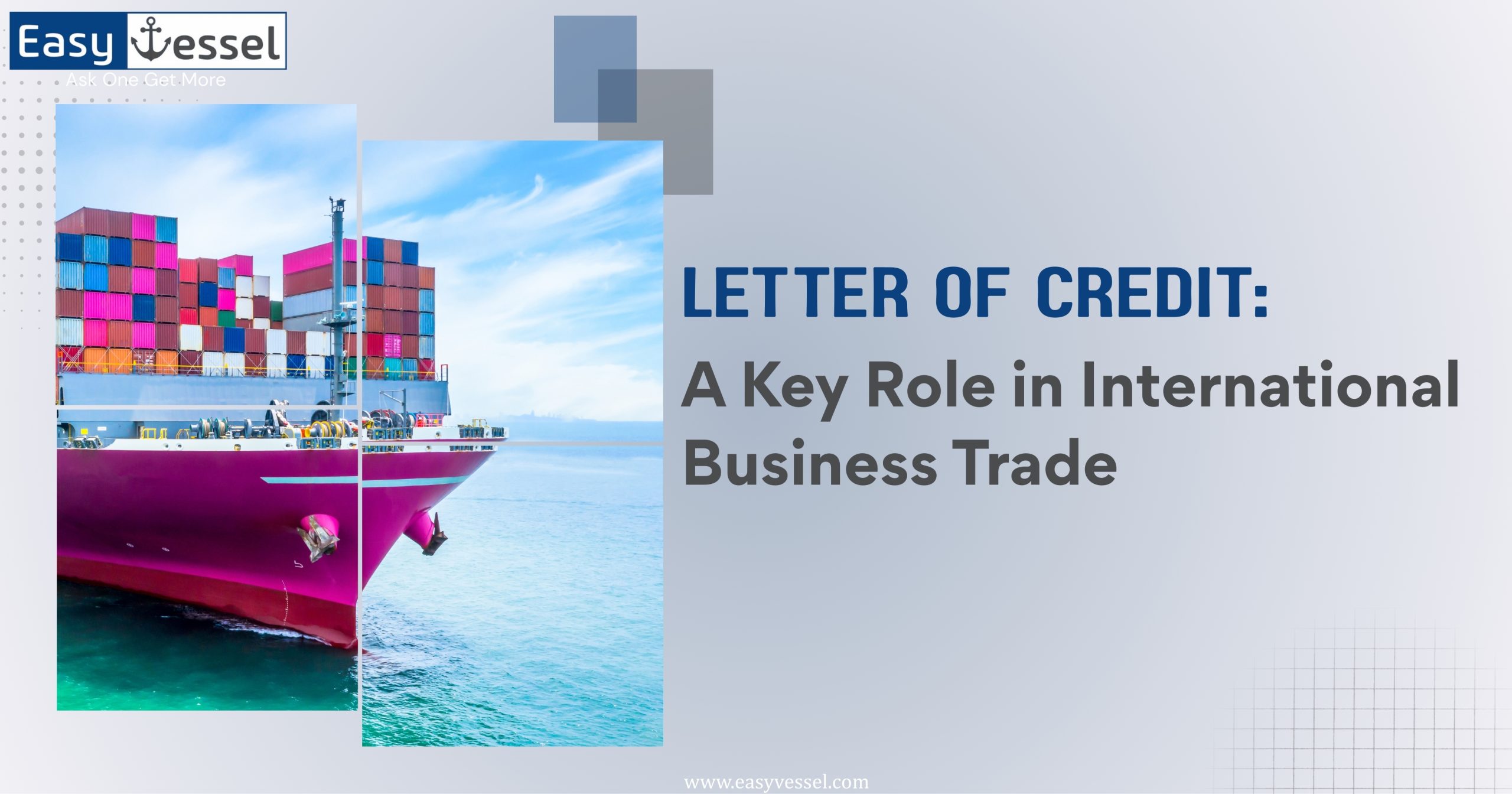
In today’s world, international logistics and global trade are crucial. They help businesses expand beyond their borders. Securing payment and reducing risk in international transactions is very important for companies in cross-border trade.
A Letter of Credit (LC) is an important financial document. It builds trust and protects both buyers and sellers.
It also helps international transactions go smoothly. Its role is important in global business. Freight forwarders and logistics providers can complicate the process.
Understanding how a Letter of Credit works is essential. It can determine if a transaction in global logistics is successful or risky.
In this blog, we will look at how a Letter of Credit works. We will discuss the different types available and the benefits they offer. We will also explain why it is essential for businesses in global trade. This is especially true for freight charges and logistics providers.
What is a Letter of Credit?
A Letter of Credit is a document from a bank. It guarantees that a seller will be paid for their goods or services. This payment happens if the seller meets the conditions in the LC. It serves as an assurance for both buyers and sellers in international trade transactions.
For the seller, it offers the certainty that they will receive payment upon fulfilling the terms of the agreement. For the buyer, it ensures payment will be made only when the seller complies with the agreed-upon conditions.
The Letter of Credit plays a key role in international logistics. It is essential for freight charges, customs clearance, and border deliveries. It gives buyers and sellers a safety net. This helps reduce the risks of shipping, transit, and logistics.
How Does a Letter of Credit Work?
A typical international trade transaction involving a Letter of Credit can be broken down into several key steps. Understanding this process is essential, especially for businesses involved in logistics or those managing freight forwarders and shipping operations.
- Agreement Between Buyer and Seller: The first step is to agree on the terms of the deal. This includes the price of goods or services, delivery dates, and payment terms. These terms are vital, as they will serve as the basis for the Letter of Credit.
- Buyer Applies for a Letter of Credit: The buyer applies to their bank, also known as the “issuing bank,” to issue an LC. The bank will typically require the buyer to demonstrate financial stability before issuing the LC.
- The issuing bank sends the LC to the seller’s bank. This bank is called the “advising bank.” The advising bank then notifies the seller that a Letter of Credit has been issued.
- Seller Ships the Goods: After reviewing the LC, the seller ships the goods or services as outlined in the agreement. This is where international logistics comes into play. Freight forwarders organize the shipping of goods to buyers. They make sure all documents are correct, customs are cleared, and delivery is on time.
- After shipping, the seller sends the needed documents to the advising bank. These documents include invoices, proof of shipment, and certificates of origin. These documents play a critical role in confirming that the LC terms have been met.
- Verification and Payment: The advising bank verifies that the seller has met the terms of the LC. If the documentation is in order, the payment is processed. This step involves transferring funds from the buyer’s bank to the seller’s bank, ensuring the seller receives the agreed fee.
- Buyer Receives the Goods: The buyer receives the goods outlined in the contract. This process makes sure both parties meet their obligations. It also reduces the risk of non-payment or non-delivery.
Documents Required Under a Letter of Credit:
- Commercial Invoice
- Bill of Lading (B/L)
- Packing List
- Certificate of Origin
- Insurance Certificate (if applicable)
- Inspection Certificate
- Transport Documents (as applicable)
Types of Letters of Credit
There are several types of Letters of Credit, each with its own features and uses. The type of Letter of Credit (LC) can vary. It depends on the type of transaction. It also depends on what the buyer and seller prefer.
Additionally, it is influenced by the security needed for the trade. The most common types of LCs used in international logistics and global trade include:
- Revocable Letter of Credit: This type of LC can be changed or canceled by the buyer or bank at any time. The seller does not need to agree. While it provides flexibility, it offers minimal security for the seller.
- Irrevocable Letter of Credit: This is the most common LC type in international trade. An irrevocable LC cannot be changed or canceled without the agreement of all parties. This gives the seller more security. Payment is guaranteed if the terms are met.
- Confirmed Letter of Credit: Sellers may sometimes prefer additional security. A confirmed LC includes a second bank called the “confirming bank.” This bank guarantees payment, even if the issuing bank does not pay. People often use this when dealing with new or less reliable buyers.
- Sight Letter of Credit: Under a sight LC, payment is made immediately upon submission of the required documents. This type of LC is ideal for businesses that need immediate payment for their goods and services.
- Time or Usance Letter of Credit: A time or usance LC lets the buyer pay later. This usually happens after a set number of days from when the shipment or documents are presented. This type of LC benefits businesses that need more flexibility in managing their finances.
- A standby letter of credit is a backup guarantee. It ensures the seller is paid if the buyer defaults or fails to meet the contract terms. Buyers and sellers often use it when they already have a level of trust.
The Role of Letter of Credit in Global Logistics
Global logistics means managing how goods move between countries. It includes handling freight costs, customs clearance, and transportation. With many risks in international shipping, a Letter of Credit is essential. It helps reduce those risks for buyers and sellers.
When a business hires a logistics provider, it depends on the services it provides. These services help transport goods safely and efficiently. A Letter of Credit offers financial protection for these operations. It ensures the seller is paid upon shipment of the goods and receipt of the required documents.
Freight forwarders are responsible for ensuring shipments are handled correctly. They coordinate shipping routes, manage logistics paperwork, and work with customs authorities. A Letter of Credit ensures that the seller is paid quickly after the logistics tasks are completed correctly. This protects their interests in a complex and unpredictable environment.
Advantages of Using a Letter of Credit in International Business
- Lower Risk of Non-Payment: A Letter of Credit guarantees payment to the seller if they comply with the LC terms. This significantly reduces non-payment risk, a common concern in international trade.
- An LC helps build trust between the buyer and seller. It offers a secure payment guarantee. This is important, especially if they do not know each other well. This is particularly important when dealing with freight forwarders or logistics providers across different countries.
- Streamlined Payment Process: A Letter of Credit enables smooth, efficient payments. This ensures that freight charges and other fees are paid as agreed in the contract.
- Flexibility in Payment Terms: A business may need to make quick payments or take more time to pay. The Letter of Credit provides flexible options. These include sight and time LCs, which can meet different business needs.
- Protection from Political and Economic Issues: If the buyer’s country has political or economic problems, a Letter of Credit (LC) can help. A confirmed LC provides the seller with additional security. This ensures that payment will be made.
Conclusion
In international trade, a Letter of Credit plays a vital role, protecting both buyers and sellers, reducing risk, and facilitating smoother transactions. An LC guarantees payment for businesses involved in global logistics, freight forwarding, and international shipping, even in the complex and unpredictable landscape. Whether dealing with freight charges, customs issues, or the delivery of goods across borders, a Letter of Credit offers peace of mind, enabling international business to thrive with fewer barriers and greater confidence.
Reference:
Letter of credit by Wikipedia[1].
Frequently Asked Questions
A Letter of Credit is a bank guarantee that ensures the seller is paid once they meet the terms of a trade agreement.
Example: A US buyer imports goods from an Indian exporter. The buyer’s bank issues an LC. After shipping and submitting documents, the seller receives payment from the bank.
Businesses involved in import/export with good financial standing and a bank credit line are eligible to apply for an LC.
The LC limit is the maximum amount a bank allows a buyer to issue Letters of Credit, based on creditworthiness and business profile.
The Irrevocable Letter of Credit is most commonly used in international trade. It offers strong protection, as it cannot be altered or cancelled without all parties’ consent. A Confirmed LC is ideal for added security when dealing with new or high-risk buyers, as it involves a second bank guaranteeing payment.