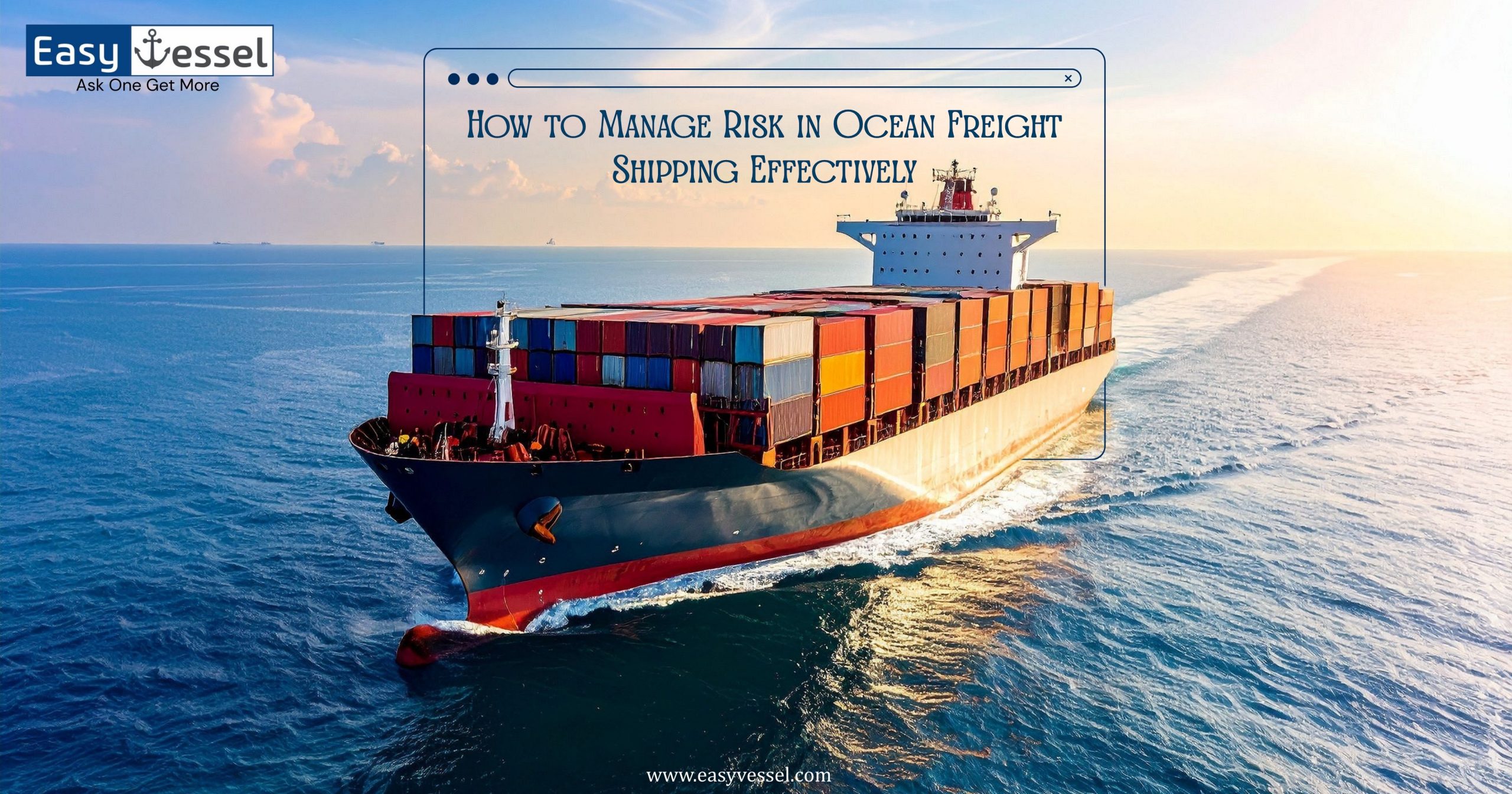
In today’s interconnected global economy, ocean freight plays a pivotal role in moving goods across continents. International logistics is now very complex. Businesses are trying to meet customer needs. They also want to keep profits and grow in global markets.
Despite its status as one of the most cost-effective and widely used transportation methods, ocean shipping carries many risks. Container loss at sea and customs delays highlight the importance of adopting robust Risk Management Strategies.
This guide shows how businesses can manage risk. It explains best practices and modern tools. These help ensure safe and efficient freight operations.
Why Risk Management is Critical in Ocean Freight
Ocean freight faces many unpredictable risks. These include natural disasters, piracy, labor strikes, geopolitical issues, port congestion, and changing fuel prices. The combination of these factors makes risk management a core component of successful shipping operations.
In the broader realm of global logistics, unmanaged risk can lead to:
- Cost overruns
- Loss of cargo
- Legal complications
- Damaged relationships with clients or suppliers
- Supply chain disruptions
In short, without a well-structured approach to Risk Management, businesses expose themselves to significant operational and financial threats. Companies that apply strategic planning, backed by technology and strong partnerships, are better equipped to manage these challenges.
Key Risks in Ocean Freight Shipping
To effectively manage risk, you must first identify and understand the types of risks common to ocean freight:
1. Cargo Damage and Loss
Poor handling, exposure to the elements, improper packaging, or vessel accidents can result in damaged or lost cargo. Especially with containerized shipments, misplacement or damage within containers is more common than one might expect.
2. Delays and Disruptions
Port congestion, strikes, adverse weather, or geopolitical tensions can delay shipments by days or even weeks. These delays have a ripple effect across the supply chain, affecting production and inventory schedules.
3. Regulatory Non-Compliance
Every country has different import and export laws. Failure to comply with customs regulations or documentation requirements can lead to fines or cargo being held at ports.
4. Fluctuating Container Rates
The container rate is the cost to ship a standard container. This rate can change a lot because of global demand, fuel prices, and seasonal factors. Without proper planning, these fluctuations can erode profitability.
5. Cybersecurity Threats
Digital platforms are increasingly used in container tracking, booking, and documentation. This digitization brings new risks, including data breaches and ransomware attacks targeting shipping lines or forwarders.
6. Theft and Piracy
Some shipping routes are known for cargo theft or piracy. This is especially true in the Gulf of Guinea and parts of Southeast Asia.
Best Practices to Manage Risk in Ocean Freight
Adopting the following best practices can significantly improve your ability to manage risk and maintain resilient shipping operations:
1. Work with Trusted Freight Forwarders
Reliable freight forwarders are vital partners in navigating the complexities of international logistics. They provide support with customs clearance, documentation, cargo insurance, and emergency response. Choose forwarders with industry certifications and global network coverage.
2. Secure Comprehensive Cargo Insurance
Even when precautions are taken, accidents happen. Cargo insurance is a fundamental aspect of risk management that covers financial losses from damage or theft. Evaluate policies carefully to ensure they match the cargo value and risk profile.
3. Leverage Accurate Freight Quotes and Rate Forecasting
Obtaining a detailed freight quote helps you plan and budget effectively. To avoid surprises, keep an eye on container rate changes. Choose rate locking when you can during unstable times.
4. Invest in Real-Time Container Tracking Systems
Advanced container tracking systems provide real-time updates on your shipment’s location and status. This not only increases visibility but also allows proactive management of delays, route changes, or customs issues.
5. Optimize Packaging and Labeling
Well-packaged and clearly labelled cargo reduces the likelihood of damage and speeds up customs clearance. This is particularly important for fragile or perishable goods.
6. Automate and Verify Documentation
Mistakes in bills of lading, invoices, or customs forms can delay shipments or result in fines. Use automated systems to minimize human error and ensure document accuracy across international borders.
Building a Robust Risk Management Framework
A tailored Risk Management framework helps companies anticipate, mitigate, and respond to risks effectively. Here’s a simple structure to build upon:
- Risk Identification: Use historical shipment data and feedback from stakeholders to identify potential threats.
- Risk Assessment: Prioritize risks based on their probability and potential impact on operations.
- Strategy Development: Define specific actions, such as changing routes or partnering with new vendors.
- Implementation: Assign responsibilities and allocate resources to ensure strategies are executed.
- Monitoring and Improvement: Continuously track KPIs and revise strategies based on outcomes and new challenges.
This continuous improvement model ensures your risk plan remains agile in an evolving trade environment.
Role of Technology in Ocean Freight Risk Management
Technology is transforming how logistics professionals handle risk management in ocean freight. Some powerful tools include:
- AI & Predictive Analytics: These tools can forecast weather disruptions, port delays, or rate spikes before they occur.
- Blockchain: Enhances transparency and security by ensuring tamper-proof records of all transactions.
- Internet of Things (IoT): Sensors within containers monitor temperature, humidity, and movement.
- Digital Freight Platforms: Offer integrated solutions for bookings, rate comparisons, freight quotes, and container tracking.
By adopting digital tools, companies reduce manual tasks, improve data accuracy, and respond to issues faster.
Regulatory Compliance and Risk Management
Staying compliant with international trade laws is a significant aspect of Risk Management. Here are ways to ensure compliance:
- Maintain up-to-date knowledge of customs regulations in origin and destination countries.
- Ensure all documentation is complete and error-free.
- Use HS codes and origin declarations correctly to avoid penalties.
- Partner with customs brokers or freight forwarders who specialize in the destination country.
Not following the rules can cause delays, extra fees, or cargo seizure. This is a key part of your logistics plan.
Cost Control Through Strategic Risk Management
While it may seem like an added layer of expense, strategic risk management helps reduce long-term costs by:
- Avoiding demurrage and detention fees
- Preventing product loss and replacement costs
- Reducing customer service issues and penalties
- Minimizing last-minute emergency bookings or rerouting
Using best practices in your logistics planning leads to smoother and more predictable operations. This helps keep your supply chain flexible and cost-effective.
Conclusion: Manage Risk, Gain Control
Successfully navigating ocean freight shipping isn’t just about moving containers—it’s about anticipating the unexpected. By adopting strong Risk Management Strategies, businesses can reduce exposure to delays, damage, and compliance pitfalls.
Managing risk is important for your logistics strategy. It doesn’t matter if you are sourcing from Asia, exporting to Europe, or distributing in the Americas. Working with trusted freight forwarders, using smart container tracking, and getting the right freight quote all help. Planning ahead is beneficial.
If you need help with global shipping, contact trusted experts. They can help you improve every part of your freight process. Using these best practices will keep your cargo safe. They will also help your business grow in the changing world of international logistics.
Reference:
Maritime transport by Wikipedia[1].
Frequently Asked Questions
Risk management in shipping involves identifying, assessing, and mitigating potential threats that could disrupt maritime transportation. This includes risks like cargo damage, port delays, regulatory issues, piracy, and fluctuating fuel or container rates. Effective risk management ensures smoother operations, financial protection, and compliance throughout the shipping process, helping companies avoid losses and maintain reliable supply chains.
Managing risk in logistics starts with understanding the entire supply chain and pinpointing where disruptions could occur. Businesses can reduce these risks by using skilled freight forwarders. They should also invest in cargo insurance.
Automating paperwork can help too. Tracking shipments in real time is important.
Finally, having backup plans is essential. Stakeholders must consistently evaluate and communicate to ensure they proactively manage logistics risks.
Sea freight, while cost-effective, is subject to various risks. Common threats include cargo loss or damage, port congestion, customs delays, theft, natural disasters, piracy, and changing container rates. Additional risks involve regulatory compliance and cyber threats affecting container tracking or documentation systems. Understanding these risks is crucial to safeguarding ocean shipments and ensuring timely delivery.
Ocean freight refers to the transportation of goods by sea, typically in large shipping containers, across international waters. It’s one of the most economical and widely used modes of transport for bulk cargo in global trade.
Ocean freight is very important in international logistics. It helps move products between countries using cargo ships. These ships are run by shipping lines and managed by freight forwarders or vessel agents.