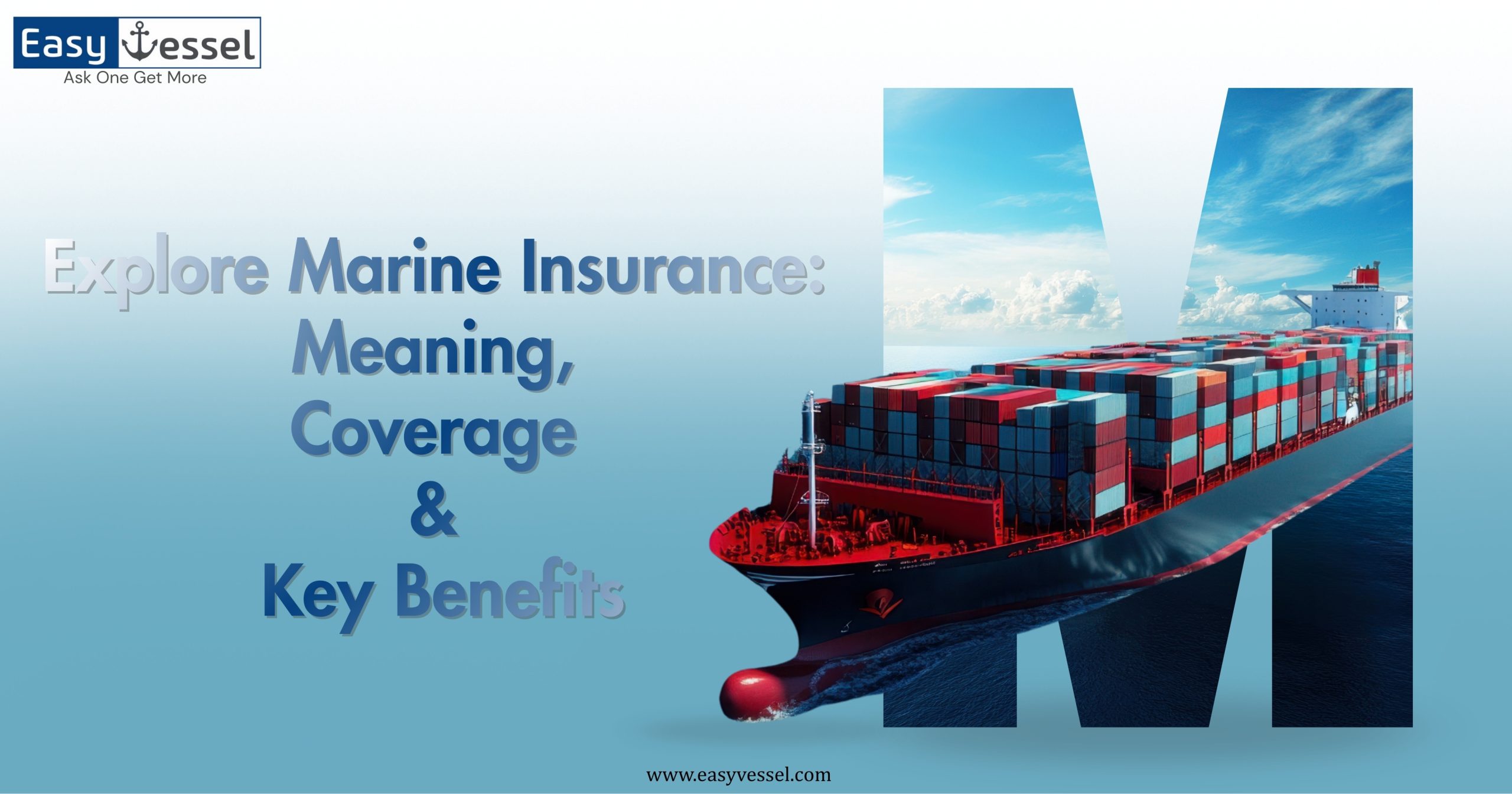
In international logistics and global trade, safeguarding cargo during transit is crucial. With changing weather, piracy threats, and possible accidents at sea, businesses need a strong defense to reduce risk. This is where Marine Insurance plays a vital role. If you own a business that ships goods or manage logistics, knowing about marine insurance is important.
This guide will explain marine insurance. It will cover different types of coverage and the main benefits. These benefits are for people and businesses involved in global logistics.
What Is Marine Insurance?
Marine Insurance is a special policy. It covers the loss or damage of ships, cargo, and terminals.
It also includes any transport used to move property. This property is transferred, acquired, or held between the starting point and the final destination. It provides comprehensive protection against the various risks involved in maritime transportation.
Marine insurance helps safeguard cargo owners and shippers against unforeseen events like theft, damage, or loss. At the same time, goods are transported over water, air, or land (inland transit coverage).
Marine insurance has a long history, dating back to the ancient maritime trade. Over time, it has become a specialized field. It includes many types of coverage to meet the needs of global trade routes. Today, marine insurance plays a fundamental role in shipping and facilitating confidence in international commerce.
Types of Marine Insurance Policies
1. Hull Insurance
This type of policy covers physical damage to the ship or vessel itself. It includes structural parts like the hull, machinery, and equipment onboard. Shipowners or operators usually purchase hull insurance.
Hull insurance is essential for protecting the investment in the vessel itself. Any physical damage to a cargo ship, tanker, or container vessel can lead to high repair costs. This damage can come from collisions, grounding, or other dangers. Hull insurance helps shipowners avoid facing these expenses alone, which allows for faster recovery and reduced operational downtime.
2. Cargo Insurance
Cargo insurance protects goods being transported from one place to another. Exporters, importers, or manufacturers often purchase it. This policy covers cargo damage, loss, or theft while in transit.
For businesses moving high-value items or sensitive materials, cargo insurance is indispensable. It helps reduce financial loss if a shipment is damaged or lost during handling, loading, unloading, or transit.
Many insurers provide custom cargo policies. These policies depend on the type of goods, route, and shipment frequency. This offers more flexibility for businesses of all sizes.
3. Freight Insurance
This covers the loss of freight revenue if the cargo doesn’t arrive at its destination due to an insured peril. Freight insurance is often essential for shipping companies to recover expected freight charges.
In freight-forwarding contracts, payment is often contingent on successful delivery. If cargo is lost, the freight charge may not be payable. Freight insurance protects carriers and logistics providers against this loss of income, ensuring business continuity and financial stability, especially in complex international contracts.
4. Liability Insurance
Also known as Protection and Indemnity (P&I) insurance, this policy covers legal liabilities arising from third-party claims. It includes coverage for bodily injury, damage to other vessels, and environmental pollution.
Given the legal complexities of maritime law, liability insurance is a critical safeguard. Legal claims can be substantial in a collision, oil spill, or crew injury. P&I coverage ensures compliance with maritime regulations and offers a legal safety net, particularly for operators managing fleets across various jurisdictions.
5. Inland Transit Insurance
This extension of cargo insurance covers goods transported over land (rail or road) before or after sea transit.
Inland transit insurance is particularly valuable in multimodal logistics operations. For example, if goods are sent from a factory to the nearest port, this insurance covers them from the start to the port. Similarly, coverage continues from the destination port to the final delivery address. This end-to-end coverage is essential in seamless international logistics.
Key Benefits of Marine Insurance
1. Risk Mitigation
The primary benefit of marine insurance is risk coverage. It shields businesses from financial losses due to damage, theft, accidents, or natural disasters during transportation.
For companies shipping high-value or perishable goods, this risk mitigation is crucial. Losses without insurance could lead to severe financial setbacks, legal complications, or damage to customer relationships. Marine insurance gives businesses the confidence to scale operations without fear of unexpected disruptions.
2. Global Logistics Support
Marine insurance complements global logistics operations by protecting goods across borders. Whether you’re shipping electronics from China or textiles from India, insurance offers international support.
By securing shipments across continents, marine insurance aligns perfectly with the goals of global supply chains. It builds trust and strength in international trade. This helps businesses keep promises to customers and partners, even in uncertain times.
3. Legal Compliance
In many cases, having marine insurance is required by law. This is especially true for businesses that trade across borders. It ensures compliance with shipping regulations and international contracts.
This is especially relevant when working with customs authorities, financial institutions, or multinational clients. Marine insurance documents are often needed for clearance, financing, or meeting contract terms. This makes them important for legal and professional trade practices.
4. Business Continuity
Loss of cargo can severely affect business operations. Marine insurance helps ensure continuity by compensating for losses, enabling businesses to recover and resume operations quickly.
Without insurance, a significant loss could derail production schedules, delay deliveries, or halt operations altogether. Marine insurance helps businesses manage risks proactively, allowing them to stay agile and responsive even in challenging circumstances.
5. Customized Coverage
Marine insurance policies are flexible. Businesses can choose from various coverage options based on the nature of goods, shipping routes, and risk exposure.
Customizing your policy allows for more accurate risk management and budget control. For example, a company that ships fragile glassware might choose all-risk coverage. In contrast, a company that ships strong metals might select named perils. The ability to tailor policies makes marine insurance accessible and relevant to diverse industries.
6. Enhanced Credibility
Having a marine insurance policy enhances a company’s reputation with stakeholders. Clients and partners are more likely to trust a business prioritizing cargo security.
Credibility goes a long way in competitive markets. Showing that you have complete marine insurance builds trust with clients. It also makes you a preferred partner for logistics providers, suppliers, and regulatory bodies.
Coverage Options in Marine Insurance
1. All-Risk Coverage
This is the most comprehensive form of coverage. It includes protection against all physical loss or damage from external causes unless specifically excluded in the policy.
All-risk coverage is ideal for businesses handling high-value or fragile goods. It provides peace of mind and lowers administrative work. You do not need to prove a specific cause of damage, as long as exclusions are not triggered.
2. Named Perils Coverage
This policy only covers risks explicitly mentioned in the contract, such as fire, lightning, piracy, or collision. It’s more affordable but offers limited protection.
Named perils coverage works well for lower-risk shipments or when budget constraints exist. However, we must ensure adequate protection and a clear understanding of the potential risks along the route.
3. Warehouse to Warehouse Coverage
This option covers the goods from when they leave the seller’s warehouse until they arrive at the buyer’s warehouse, offering end-to-end protection.
This option eliminates coverage gaps and simplifies claims processing for businesses looking for uninterrupted protection. It aligns well with Incoterms obligations and provides a seamless insurance solution.
4. Time Policy
This policy is usually for hull insurance. It covers the insured asset for a set time, often one year. This coverage applies no matter how many voyages are made.
Time policies offer long-term peace of mind for fleet operators and charter companies. They ensure that all routine voyages and daily operations are covered under one consistent plan.
5. Voyage Policy
This coverage is valid for a single specific journey. It is common for one-time shipments or infrequent exporters.
Voyage policies are great for project-based shipments or occasional exporters. They offer focused, cost-effective protection without needing a long-term commitment.
6. Floating Policy
A floating policy is great for businesses that ship often. It covers many shipments under one policy. You do not need to declare each shipment separately.
Floating policies save time and reduce administrative workload. They also offer better pricing for businesses with high-volume shipping needs, streamlining risk management over the long term.
Conclusion
Marine insurance is critical in protecting transit assets, especially in global logistics. Understanding marine insurance and its coverage options can help businesses make smart choices. This knowledge can also prevent costly problems.
If you are an importer, exporter, or part of the supply chain, getting the right marine insurance is important. It helps ensure safety, compliance, and peace of mind. As global trade grows, marine insurance becomes more important. It helps create secure and strong transport networks.
Reference:
Marine insurance by Wikipedia[1].
Frequently Asked Questions
The three main types of marine insurance are Hull Insurance, Cargo Insurance, and Freight Insurance. Hull insurance covers damage to the ship or vessel, including machinery and equipment. Cargo insurance protects goods transported against theft, damage, or loss during transit. Freight insurance covers the loss of freight charges if the cargo is lost or not delivered due to an insured peril, protecting the financial interests of shipping companies.
- Utmost Good Faith: Both parties must disclose all relevant information truthfully.
- Insurable Interest: The insured must have a financial stake in the subject matter.
- Indemnity: The policy compensates only the actual loss, preventing profit from the claim.
- Contribution: If multiple policies cover the same risk, insurers share the loss proportionately.
- Subrogation: After compensation, the insurer has the right to recover the loss from a third party responsible.
It is called marine insurance because it was developed initially to cover sea and maritime trade risks. The term “marine” refers to the sea, and early forms of this insurance were created to protect ships and cargo during ocean voyages. Over time, it expanded to include inland transit and air transportation, but it retained the historical name due to its maritime origins.
Marine insurance primarily aims to protect goods, vessels, and shipping interests from financial loss due to unexpected events during transit. It compensates for damages, loss, or theft while goods are transported, ensuring business continuity and reducing financial risks in domestic and international trade.